
Teens spend an average 4.8 hours on social media cumulatively on all major platforms. Which if we’re assuming 8 hours of sleep per day with 16 hours waking that’s a whopping 30% of waking time, meaning that platforms like YouTube and TikTok have major influence on students.
There are both positive and negative impacts, from being able to form and create relationships and find likeminded individuals to cyber-bullying, addiction and grooming.
It’s important to factor in this impact as a parent, as a student and as a school and this article will highlight them.

Positive Impacts
Social media can be said to empower communities by sharing information quickly and more easily. The majority of students use at least one social network and a larger and larger section of our lives are online so finding jobs, getting advice via forums such as student-room and collaboration through group projects these aspects are now improved.
The main platforms of WhatsApp and Facebook allow students to participate in a greater capacity for more consistent learning where students can connect with peers and up-to-date material. There’s also a wealth of resources on social media sites too which students can access which they may not be as accessible in person in a library for example.
Students using social media can help develop digital skills which are becoming a fundamental for their academic and professional future.
Social media allows quick and easier access to knowledge of school events, meetings and emergency alerts which also transfers to information to parents and other stakeholders.
Negative impacts
Social media is designed to grab your attention and keep you locked to your screen and can be a major distraction in class time. Students can have private conversations , off-topic activities and mindless scrolling on their phone which will harm their attentiveness in class. Countries such as France has aimed to ban social media for children aged under 16 with Australia aiming to stop minors for signing up into their services. Many other countries in the EU are following other policies such as getting parental consent and minimum age policies. The aim is to assist in managing the distraction impact on students.[3]
Furthermore, the understanding of truth and knowledge is also under threat via AI. AI generated content, as it becomes more and more difficult to prase from real-life film and media affects our understanding of the world and having an effective understanding of media literacy is vital to navigate this. We would need to consider several sources, research if the sources are reputable and identify the biases in the media itself. This would increase the amount of work when casually browsing content online unfortunately.
Mental health
According to the Facebook whistle-blower, the internal research shared with members of Congress showing that Meta was aware of the ills of the platform including the impact on teenage girls’ mental health and the prevelance of drugcartels and human traffickers on its aps. The internal research found that 13.5% of teenager girls said Instagram worsens their suicidal thoughts and 17% say that Instagram contributes to their eating disorders.[1] This is damning evidence where any child should be protected by those harms. Conversely a study by the American Psychological Association [2] found that teens and young adults who reduced their social media use by 50% for a few weeks saw significant improvement about how they felt about their weight and overall appearance.
Cyber-bullying is on the rise both sexual harassment and negative messaging. With online content once shared is made public so without the proper protections in place children may share content unknowingly to malicious actors. Cyber-bullying may involve sharing sexual images, photos or harassing messages. The anonymous aspect of social media makes it difficult to pinpoint who the perpetrators are. The impact of cyber-bullying can have debilitating affects on students.
What can parents do?
Many social media accounts now have more rigorous parental features so it’s important as a parent to understand how to use these and manage them.
Communicate with your child what their boundaries are on the online space, this can be usage time, internet parental filters with what sites your child can access and having a discussion about social media sites. Checking in so often with their mood when accessing sites such as Instagram and considering the age at which you introduce a phone or internet ready device to your child.
What can educators do?
We can incorporate different content into your lessons from creating a YouTube series on commonly asked questions so a student can access this information easily. TikTok and Instagram can be used to convey visual information well and it can be a novel way to create student engagement with students making their version of information.
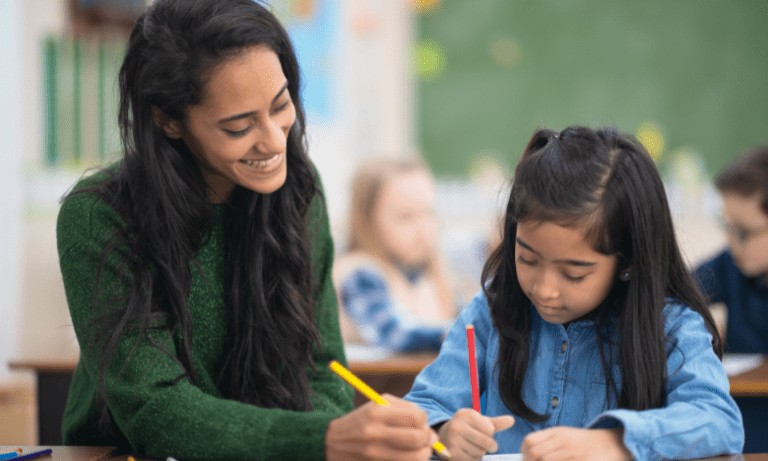
Highlighting misinformation and improving media literacy. Although History covers this topic including this in other sessions will give a strong basis for the student to move through the digital landscape going forward.
With current legislation in the UK, parents and educators need to play a vital role in facilitating healthy social media habits and encouraging the positive impacts and mitigating te negative ones. With chat rooms hosted by a school, educators are responsible for ensuring students use the platforms safely. As things stand we would also need to help support students and young people who are suffering the negative effects. [4]
[2] https://www.apa.org/news/press/releases/2023/02/social-media-body-image
 ZRTutoring