
Maths is such a vital part of life, it is the language of numbers. From how we interpret data to calculating values, we use these skills each and every day. Many people feel anxious when dealing with maths, saying they’re not good with numbers. How can we address this?
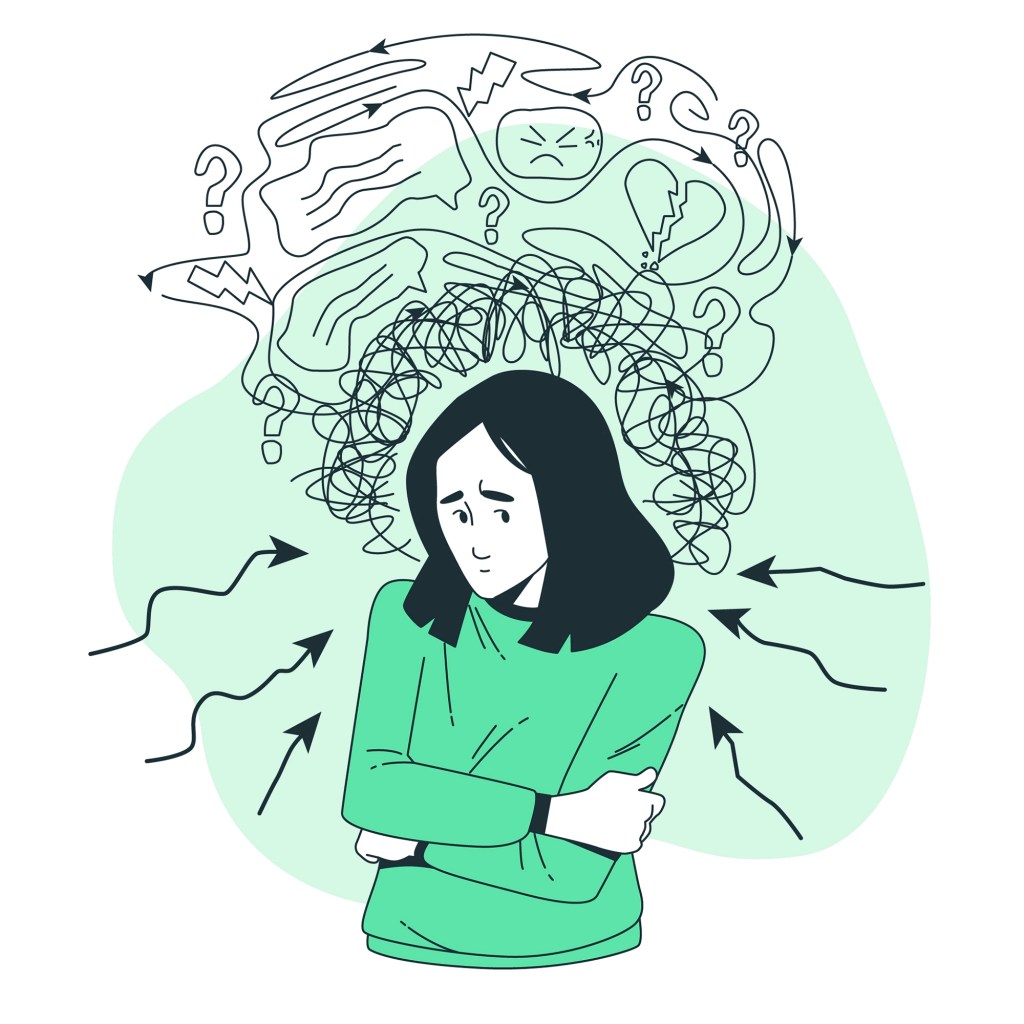
Maths anxiety is specific – where students are more anxious about Mathematics. It is different feeling anxious about a maths exam. As a parent you can notice this if your child displays anxiety when speaking or doing maths. These symptoms can be: sweating, accelerated breathing, tenseness. If you’re a student you can notice if you have those symptoms or an accelerated heart rate. [1]
In addition, this is different from dyscalculia, the specific cognitive deficit in mathematics. Maths anxiety can be present with people who are capable in Maths even if they dislike and there is also an emotional component.
In my own experience many young girls have more anxiety compared to boys. Part of this is a consequence of cultural bias and structural conditions as children grow up.
In this study “What impact does maths anxiety have on university students?” one of the conclusions was the assertion that females are more prone to maths anxiety than males.[2]
Situations that I’ve seen and experienced through my tutees would be: teachers disproportionately chastising female students on their mathematics skills.
Female students not seeing role models in Maths/Science backgrounds leading to beliefs conscious/unconscious that women are less capable at Maths. Finally, now in the aftermath of COVID changes to learning environments has opened up the gender gap in performance too. [3]
So, what can we do to help reduce the anxiety symptoms:
Challenge those beliefs about Maths – Maths is a skill like any other. Practice and hard work can help improve your ability. It can also be how you’re learning which may be hindering your progress. Different people learn via audio, visual, kinesthetic (doing) and you may prefer one way over another.
It’s important to make scenario where you’re covering the problems and practicing relaxed and enjoyable. Many students find learning maths or other subjects they don’t like as tedious. Trying to find the fun in the subject will help relieve the stress. When you’re approaching questions try to start with easier questions to warm up and build confidence to then extensions which stretch you then further difficult questions.
Online resources – there is now a massive depository of information via YouTube, the National Numeracy charity, Nrich which focus on enrichment and extension mathematics situations. They cover different real-life situations and how maths apply to them.
Getting help – via ZRT and our team of specialised tutors we can help work with you to diagnose what you need and how to reach your goals. There isn’t a one-size-fits rule so having a specialist will tailor that approach.
Sources
[1]
[2]
[3]
 ZRTutoring